
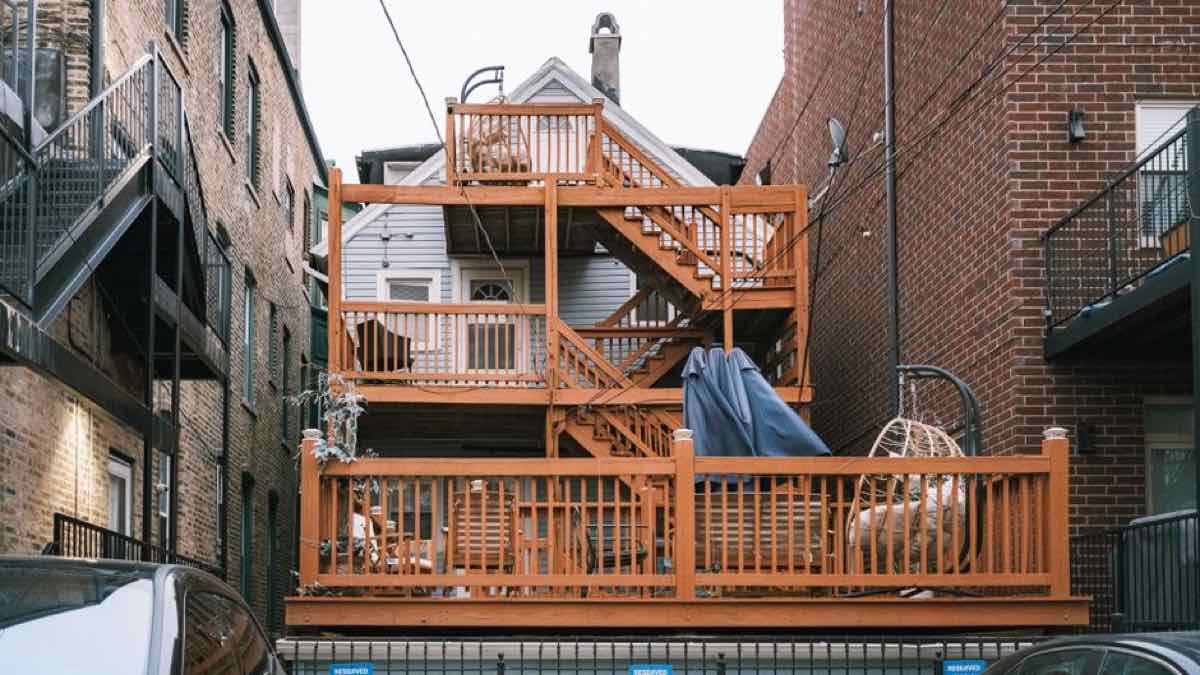
Quick answer: shed removal generally costs $200-$2,500 (average around $650), while deck removal runs $1,000-$7,500 depending on size and material — the gap exists almost entirely because decks usually have buried concrete footings and sheds usually don't. (We just answered the headline. The part that actually matters is what happens when a DIY teardown finds a nail, a rusted edge, or a Dig Safe requirement nobody mentioned.)
Sheds and decks are two of the most common "I'll just do it myself this weekend" projects on the South Shore — and two of the most common ones that turn into a bigger job than expected. Old wood hides its problems well: nails you can't see, footings set deeper than you'd guess, and in older sheds, materials that need to be handled a specific way. This guide breaks down real cost ranges for both, where the risk actually lives, and the Massachusetts-specific rules — permits, Dig Safe, and construction debris disposal — that most generic guides don't mention at all.
Tearing Down a Shed or Deck?
Fill this out or call 781-820-2113 for a free estimate on the teardown, the haul-away, or both.
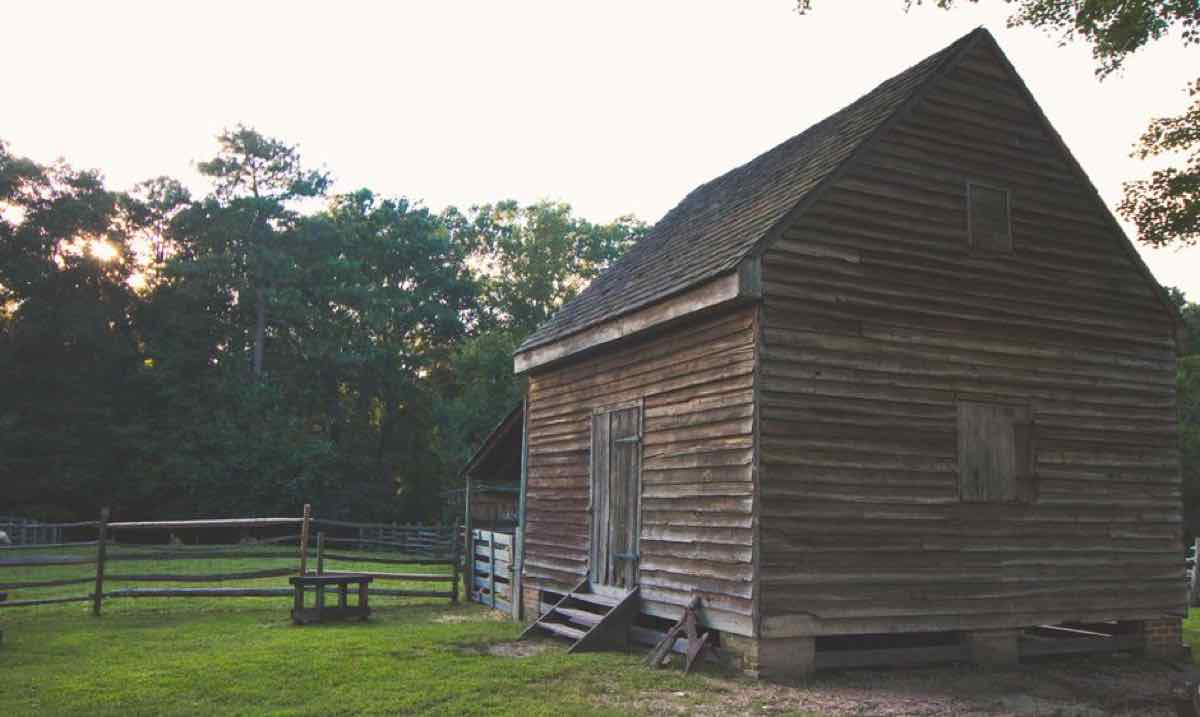
Shed Demolition: What It Costs
Professional shed removal runs roughly $4-$12 per square foot, which works out to about $200-$2,500 total, with $650 a commonly cited national average. Rough size tiers:
- Small (6x8-8x10): $200-$1,000
- Medium (10x12-12x12): $480-$2,000
- Large (12x16-12x20+): $960-$2,880+
What pushes a shed to the higher end: a poured concrete slab foundation instead of gravel or blocks (+$500-$1,500), an electrical hookup that needs an electrician's sign-off before anything gets cut, and — for anything built before 1980 — the real possibility of asbestos-containing materials, which requires licensed removal and can add $1,500-$3,000. Tight side-yard access or a long carry to the street adds labor time on top of all of it.
Deck Demolition: What It Costs
Deck removal runs about $5-$15 per square foot, generally $1,000-$7,500 total depending on size and material:
- Small (100-200 sq ft): $500-$3,000
- Medium (200-400 sq ft): $1,000-$6,000
- Large (400-500+ sq ft): $2,500-$7,500+
Material matters too: wood decks tend to run $2,000-$5,000, composite $2,500-$6,000+ (heavier and more labor-intensive to break down), and vinyl or aluminum decks land in a similar $2,000-$6,000 range depending on construction. Attached, multi-level, or second-story decks cost meaningfully more than a simple ground-level freestanding deck because of the added structural complexity and safety precautions involved.
Why Decks Cost More Than Sheds
The gap between "a shed is usually cheap" and "a deck can get expensive fast" comes down to one thing most people don't think about until it's their project: footings. Most decks are anchored with buried concrete footings — often 6 to 12 of them on a mid-sized deck — and each one can add $50-$150 or more to remove properly, on top of the frost-line depth requirements common in Massachusetts (footings here often need to go roughly 4 feet down, versus about a foot in warmer climates). Sheds, by contrast, usually just sit on gravel, blocks, or a simple pad — nothing buried, nothing requiring excavation. That single structural difference is most of why deck removal costs multiples of a comparable-sized shed.
Nobody wants an old, half-rotted deck or a leaning shed sitting in the yard all summer while you figure out the logistics. We handle the teardown and the haul-away in one visit — no separate demo crew, no separate dumpster call.
Get a Free Demolition QuoteDIY vs. Hiring: Where It Actually Goes Wrong
DIY teardown can genuinely save money on labor, but the real risks aren't hypothetical:
- Old nails and screws in weathered wood are a real puncture and tetanus risk once you're pulling boards apart by hand.
- Metal shed panels develop sharp, rusted edges when cut, and cutting them safely takes the right tools and gloves.
- Structural collapse is a real risk on decks especially — a structure that looks stable can shift or drop unexpectedly the moment a load-bearing post or beam gets cut, particularly on attached or multi-level decks.
- Concrete footings generally require a rented jackhammer or breaker to remove properly — not a job for hand tools.
- Electrical hookups in a shed need a licensed electrician's evaluation before any demolition starts, not after.
And even after the structure is down, most recycling centers won't take wood with nails still in it, and construction debris generally can't go out with curbside trash at all (more on that below) — so the disposal half of the job is its own separate headache.
A rough guide to what's genuinely reasonable to DIY versus what isn't:
- Usually fine solo: a small, ground-level, freestanding wood shed on gravel or blocks, no electrical hookup, no concrete slab.
- Bring a friend and rent the right tools: anything with a concrete pad, a metal shed needing panels cut apart, or a small ground-level deck with shallow footings.
- Call a professional: any attached or multi-level deck, anything with an electrical hookup, anything built before 1980 (asbestos risk), and anything where footings need real excavation.

Permits & Dig Safe: The Massachusetts Rules
This is the part almost no generic demolition guide covers accurately, because it's genuinely state-specific. Two separate Massachusetts requirements apply here:
Dig Safe (811): if removing a deck's buried footings or a shed's foundation involves any digging, Massachusetts law (M.G.L. c. 82, §§40, 40A-40E) requires calling 811 at least 72 business hours beforehand so utility lines can be marked, free of charge. Skipping this carries real penalties — $1,000 for a first offense, $5,000-$10,000 for repeat violations within 12 months.
Demolition permits: under the Massachusetts State Building Code (780 CMR), removing or demolishing a structure generally requires a permit. Decks are typically not exempt. Sheds often are — many towns waive the permit requirement for small sheds (commonly under 200 sq ft), but Massachusetts is a "home rule" state, meaning every one of its 351 cities and towns can set its own additional zoning setbacks, registration rules, or conservation review requirements on top of the state code. There's no single statewide answer for sheds — a quick call to your local building department before you start is the only way to know for sure.
As an example of how specific this gets town to town: Sudbury, MA only requires a building permit for sheds over 200 sq ft, but even a permit-exempt smaller shed still has to meet the town's 5-foot side and rear setbacks and 40-foot front setback. A neighboring town can set completely different numbers. If the property is anywhere near wetlands or the coast — which describes a lot of the South Shore — factor in extra time for a possible Conservation Commission review on top of the building permit question.
Where the Debris Actually Has to Go
Old lumber, shingles, and metal from a shed or deck teardown don't just go out with the regular trash. Massachusetts has banned construction and demolition debris — including wood, metal, brick, and concrete — from landfills and waste-to-energy facilities since 2006. Most town transfer stations won't accept it either. In practice, that means the debris has to go through a licensed hauler or a properly arranged dumpster rental — which is exactly the kind of logistics that make hiring the whole job out, teardown and haul-away together, simpler than splitting it across a rented tool, a truck, and a transfer station run.
Related Services
- Hot tub removal — another backyard fixture that's harder to remove than it looks
- Dumpster rental — for the debris, whether you demo it yourself or we do
- How our pricing works
- Hazardous waste removal
Areas We Serve
We handle shed and deck demolition across the South Shore, including:
Sources: Mass.gov — About Dig Safe, Mass.gov — Managing Construction & Demolition (C&D) Wastes.
Frequently Asked Questions
How much does it cost to demolish a shed?
Professional shed removal typically runs $200-$2,500, averaging around $650, based on roughly $4-$12 per square foot. A concrete slab foundation or pre-1980 asbestos materials can add $500-$3,000 on top of that.
How much does it cost to demolish a deck?
Deck removal typically runs $1,000-$7,500 depending on size and material, based on roughly $5-$15 per square foot. Decks usually cost more than sheds because of buried concrete footings, which can add $50-$150 or more per footing.
Can I put shed or deck demolition debris in a regular dumpster or curbside trash?
Not in curbside trash. Massachusetts has banned wood, metal, and concrete construction debris from landfills and waste-to-energy facilities since 2006 — it has to go through a licensed hauler or a properly permitted dumpster rental instead.
Do I need a permit to remove a shed or deck in Massachusetts?
Often yes for a deck, and it varies by town for sheds. Many Massachusetts towns exempt small sheds (commonly under 200 sq ft) from a building permit, but every town can set its own rules, so checking with your local building department first is the safe move.
Do I need to call Dig Safe before removing a deck or shed?
Yes, if removing buried deck footings or a shed foundation involves any digging. Massachusetts law requires calling 811 (Dig Safe) at least 72 business hours before excavating, with real fines for skipping it.
Is it cheaper to demolish a deck or shed myself?
DIY can save real money on labor, but it comes with genuine risks — old nails, unstable structures once load-bearing members are cut, and concrete footings that usually need rented equipment — plus you still have to handle disposal, which most towns don't make easy for construction debris.
What size dumpster do I need for a shed or deck teardown?
A 15-yard dumpster handles most single sheds or small decks. A 20-yard is a safer bet for larger decks, decks with concrete footings, or a shed-and-deck project combined.