

Quick answer: a whole-house cleanout usually takes half a day for a small, lightly cluttered home up to a couple of days for a larger or heavily packed one, and typically costs $275-$4,000+ depending on volume, with $1,250 a commonly cited national average. (We just told you the ending. The part that actually determines which end of that range you land on is everything below.)
Whether you're downsizing, prepping a house to sell, or clearing out a family member's home, a whole-house cleanout is one of those projects that looks simple on paper and turns into a multi-weekend slog in practice. Most guides on this topic walk you through a room-by-room checklist and stop there. We're covering that too — but the two things that actually make or break a cleanout timeline are where a dumpster fits into your sorting schedule, and how you handle the decisions that aren't really about "keep or toss."
Planning a Whole-House Cleanout?
Fill this out or call 781-820-2113 for a free estimate on the parts you'd rather not lift yourself.
House Cleanout vs. Estate Cleanout
These get used interchangeably, but they're not quite the same job. A standard house cleanout is usually about clearing space — for a move, a sale, or just a fresh start — and moves at whatever pace you set. An estate cleanout happens after a death or major life transition, often carries legal or inheritance considerations, and typically needs more time built in for sorting sentimental items and getting appraisals on anything potentially valuable before it's donated or discarded. If you're not sure which one you're dealing with, treat it as an estate cleanout until you're certain otherwise — it's much easier to move faster than planned than to realize halfway through that you tossed something that needed a second look.
Set Your Goal and Timeline First
Before a single box gets packed, decide what's actually driving the cleanout — a closing date, a renovation start, downsizing on your own schedule, or clearing an estate. That goal determines almost everything downstream: how fast you need to move, how much you can sell versus just needing gone, and whether hiring out the physical labor is worth it. A cleanout with a hard deadline (a house closing in three weeks) should skip most of the "maybe I'll sell this" detours that a leisurely decluttering project can afford to take.
Room-by-Room: What Actually Works
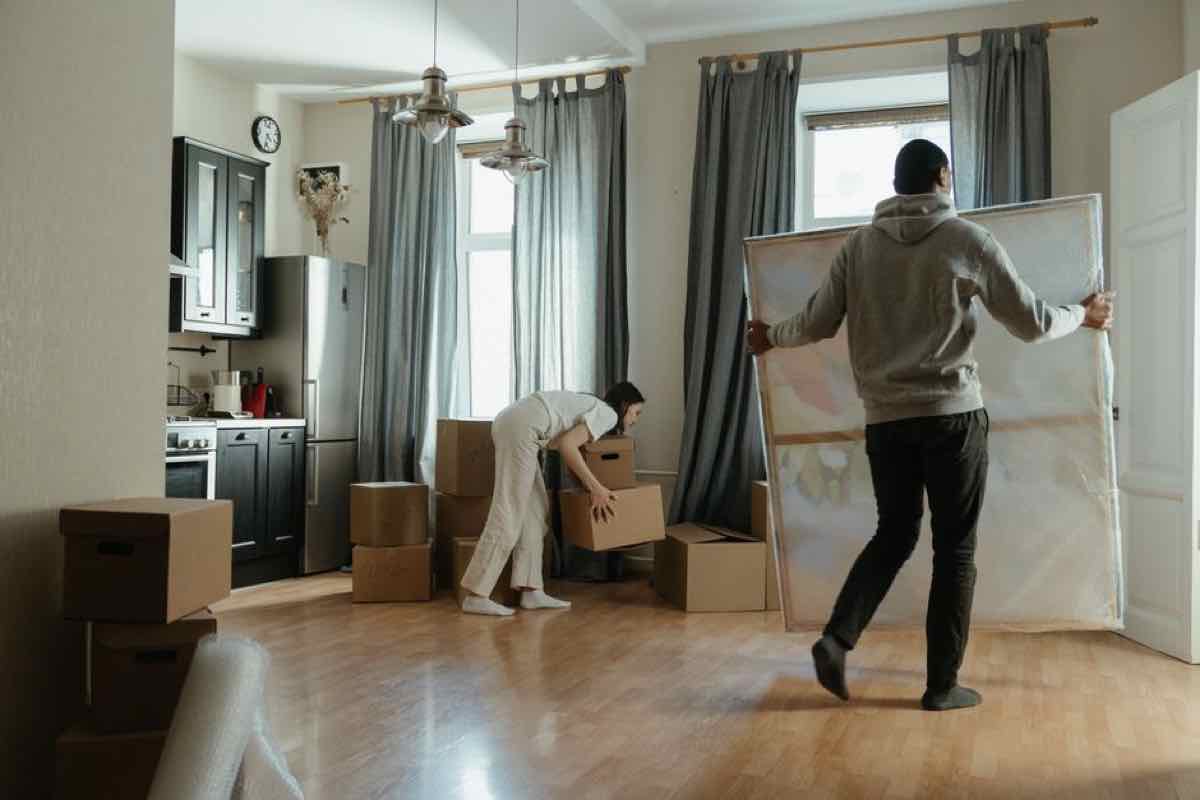
Every credible guide on this topic converges on the same basic method, because it works: tackle one room at a time, and sort everything in it into a small number of clear categories — keep, donate, sell, trash. Trying to make keep/toss decisions across the whole house at once is how projects stall out.
A couple of decision rules that cut through the "maybe" pile faster than debating each item on its own merits:
- The one-year test: if you haven't used or worn it in the past year, it's a strong candidate to go.
- The 20/20 rule: if it would cost less than $20 and take less than 20 minutes to replace if you're ever wrong, it's safe to let go of now.
- Sell only what's actually worth the effort. Consignment and estate-sale services typically take a real cut — often 35-40% of the sale price — so factor that into whether selling something is worth the extra week it adds versus just donating it.
Closets, kitchens, and bathrooms tend to move fastest since duplicate and expired items are easy calls. Attics, basements, and garages take longer — not just because they hold more, but because they're where the genuinely hard decisions (childhood belongings, tools, "I might need this someday" items) tend to accumulate.
A few room-specific patterns worth knowing before you start:
- Closets: a simple rule cuts through most of the debate — anything unworn in the past six months is a strong donate candidate, seasonal items aside.
- Bathrooms: toss cosmetics and personal care products older than 6-12 months regardless of how full the bottle looks, and never donate opened toiletries — most charities won't accept them anyway.
- Attic: bring a partner and basic protective gear (mask, gloves) — insulation dust and, in older homes, the chance of undiscovered water or pest damage make this one of the rooms worth not doing solo.
- Basement: work it in sections rather than trying to clear it in one pass, especially if it's unfinished — the same protective-gear logic as the attic applies here too.
- Garage: this is where hazardous fluids tend to hide — old gasoline, motor oil, paint, and fertilizer are common finds that need to be set aside for proper disposal rather than tossed with the rest.
15 yards is the size that fits most whole-house cleanouts, so if you're not sure what you need, that's usually the right starting guess — and if it's not enough, sizing up is a phone call away.
Get a Free QuoteWhere a Dumpster Fits Into Your Timeline
This is the part most cleanout guides skip entirely: when to actually schedule a dumpster relative to your sorting schedule. Ordering one before you've done a first sorting pass usually means it fills up with a mix of genuine trash and things you would have sold or donated if you'd had a place to set them aside first. The better sequence is to do at least one room's worth of keep/donate/sell/trash sorting before the dumpster ever shows up — that way it arrives exactly when you're ready to start generating real debris instead of decision paralysis.
On sizing: a 15-yard dumpster covers most single-family whole-house cleanouts; a 20-yard makes sense for larger homes, estate cleanouts, or anything involving renovation debris on top of household items. If the dumpster will sit entirely on your own driveway, most South Shore towns don't require a permit — if it needs to sit in the street, that's worth a quick call to your town's DPW before delivery.
The Part Nobody Talks About
Most cleanout checklists treat this as a purely logistical project. It isn't, and pretending otherwise is how people burn out halfway through. Sorting through decades of belongings — especially when downsizing a parent's home or handling an estate — runs into real decision fatigue, and family members don't always agree on what stays. A few things that actually help:
- Give "maybe" items a real deadline instead of a second maybe-pile that just becomes a new source of clutter. A box labeled "decide by Sunday" beats an open-ended "I'll think about it."
- Involve family members on specific categories, not everything. Asking one person to weigh in on "the china" is manageable; asking them to review every box in the house invites conflict and slows everyone down.
- Separate the emotional sorting from the physical labor. The decisions about what matters are yours to make. The lifting, hauling, and hauling-away doesn't have to be — that's exactly the part a crew is built to take off your plate, so your energy goes toward the decisions that actually need it.
Hazardous Items & Important Documents
Before anything leaves the house, do a quick sweep for two categories that need separate handling. First, important documents and valuables — titles, birth certificates, jewelry, anything financial — tend to turn up in junk drawers, old filing cabinets, and the backs of closets, so check those specifically rather than assuming you'd have noticed. Second, hazardous materials — old paint, motor oil, pesticides, propane tanks, batteries — can't go in a dumpster or regular trash and need to be set aside for proper disposal, per EPA household hazardous waste guidance. One practical note that trips people up constantly: dried, hardened latex paint is not classified as hazardous waste in Massachusetts and can go out with regular trash, while oil-based paint is hazardous regardless of how old or dry it looks, per MassDEP guidance.
The Deep Clean After the Junk Is Gone
Once a room is empty, it usually looks worse before it looks better — years of furniture placement leave dust lines, scuff marks, and the occasional surprise on the floor or walls. Budget time for an actual deep clean once the physical junk is out: floors, baseboards, window tracks, and any walls that need a wipe-down or touch-up paint. This step matters most if the cleanout is prepping a house to sell or hand over — a clean, empty room reads very differently to a buyer or new tenant than a cleared-but-dusty one.
How Long It Takes and What It Costs
Real ranges, not guesses: a small home (1,000-1,500 sq ft) with light clutter typically runs 4-6 hours; a medium home 6-8 hours; a large home (2,500+ sq ft) or one with heavy accumulation can take a full day or two, especially with a basement and attic involved. On cost, national data puts the typical range at $275-$4,000+, with roughly $1,250 cited as an average — small apartments and single rooms land toward the bottom, large homes and estates toward the top, and severely packed or hoarding-level properties can run higher still. The single biggest driver isn't square footage — it's volume. A big house with light clutter often moves faster than a small house packed floor to ceiling.
Related Services
- Estate cleanout — if this is following a death, not a move
- Moving cleanout — if you're a renter or timing this around a moving truck
- Dumpster rental — for sorting on your own timeline
- How our pricing works
- Hazardous waste removal
Areas We Serve
We handle whole-house and estate cleanouts across the South Shore, including:
Frequently Asked Questions
How long does a whole-house cleanout take?
Most whole-house cleanouts take anywhere from half a day to a couple of days, depending on square footage and how much has accumulated. A small, lightly cluttered home might take 4-6 hours; a large or heavily packed property can run a full day or more.
How much does a whole-house cleanout cost?
Whole-house cleanouts typically run $275 to $4,000 or more, with a commonly cited national average around $1,250 — though price depends heavily on home size, access, and how much needs to go. Get a free estimate for an exact number.
What's the difference between a house cleanout and an estate cleanout?
A house cleanout is generally about clearing space for a move, sale, or fresh start. An estate cleanout happens after a death or major life transition, often involves legal or inheritance considerations, and usually calls for more careful sorting of sentimental and valuable items.
Do I need a dumpster rental or a full-service junk removal crew?
If you'd rather sort everything yourself and just need somewhere to put debris as you go, a dumpster on your own timeline works well. If you want someone else to sort, lift, and haul in one visit, full-service junk removal is faster.
What should I do with items I can't sell or donate?
Items that aren't donatable or sellable typically go to disposal as a last resort. We donate and recycle whenever possible and only send things to a landfill or incinerator when there's genuinely no better option.
What items can't go in a dumpster or regular trash?
Hazardous materials like paint, solvents, batteries, chemicals, and propane tanks need separate handling and can't go in with regular trash or a rented dumpster.
How do I clean out a house without feeling overwhelmed?
Set a clear goal before you start, tackle one room at a time instead of the whole house at once, give "maybe" items a firm decision deadline instead of a second maybe pile, and don't be afraid to hire out the physical labor so your energy goes toward decisions, not lifting.