
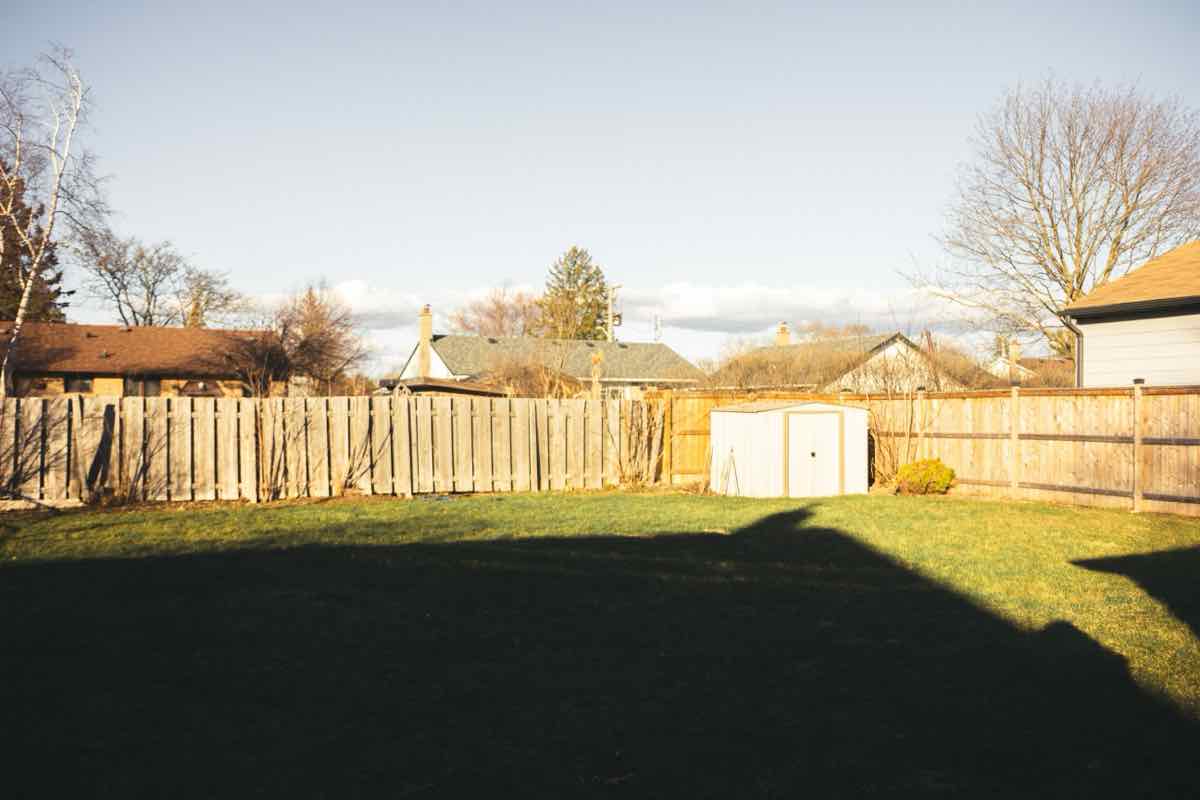
Quick answer: fence removal typically runs $3-$10 per linear foot ($270-$750 for an average yard, more for a fully-fenced property), and playset or swing set removal typically runs $100-$700 depending on size and whether anything's set in concrete. (That's the whole article in one sentence — the part that actually matters is what's buried underneath, not what's standing above ground.)
Every South Shore yard eventually has one: a chain-link fence left over from the people who owned the house before you, a wooden privacy fence that's leaned a little further every winter, or a swing set the kids haven't touched since middle school. None of it's broken, exactly — it's just done. This guide covers what fence, playset, and swing set removal actually costs, why these rank among the most underestimated backyard DIY projects on the South Shore, and what changes once a crew handles it instead of a Saturday and a pry bar.
What Fence Removal Actually Costs
Professional fence removal generally runs $3-$10 per linear foot, which works out to roughly $270-$750 for a standard residential yard and $1,000-$3,500+ for a larger or fully-fenced property. The material drives most of the range:
- Wood fence: $3-$7 per linear foot
- Chain-link fence: $3-$8 per linear foot
- Vinyl fence: $5-$10 per linear foot
- Metal/ornamental fence: $7-$15+ per linear foot
Posts set in concrete footings add roughly $40-$90 per post on top of the base rate, since each one has to be dug or broken out rather than just pulled. Overgrown roots or shrubs tangled into the fence line, tricky side-yard access, and any town permit requirement ($20-$100 in some cases) all push a job toward the higher end.

What Playset & Swing Set Removal Actually Costs
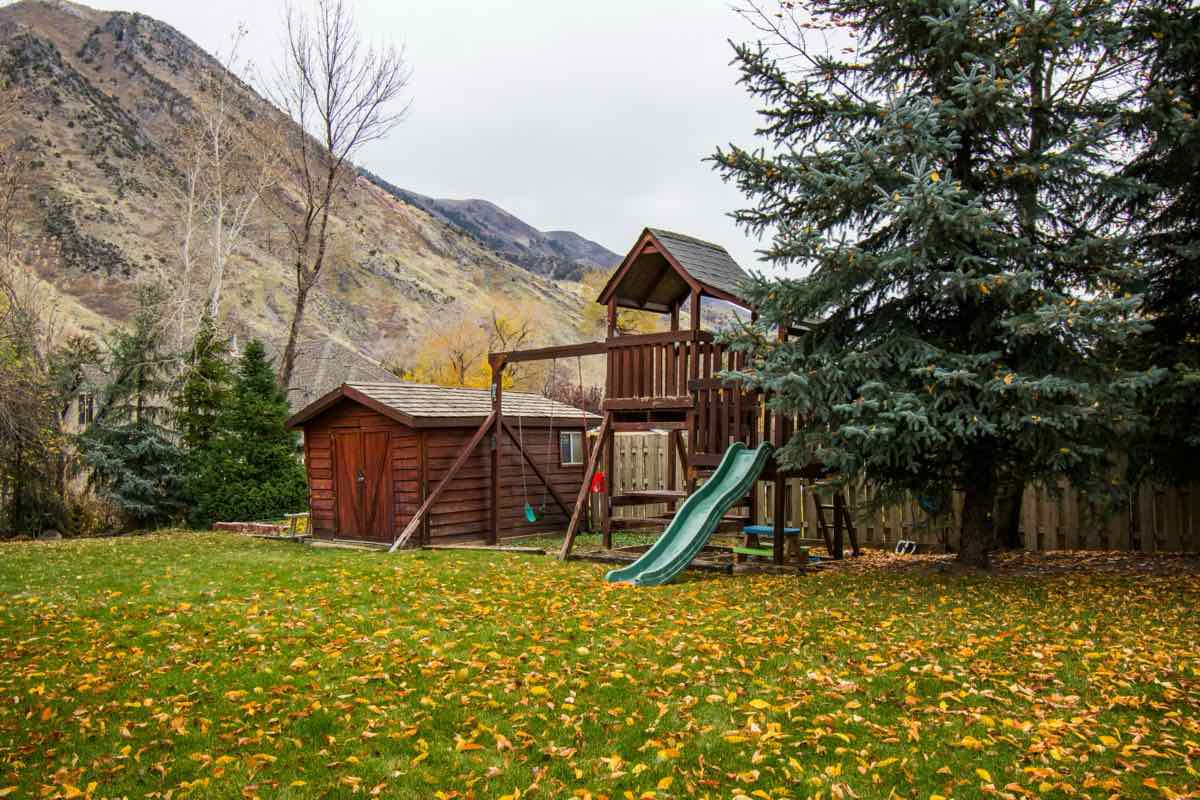
Playset and swing set removal typically runs $100-$700, averaging around $350-$400. A basic metal A-frame swing set sits toward the bottom of that range. A large wooden playset with a clubhouse, slide, rock wall, and monkey bars — especially one with legs set in concrete — runs toward the top.
Most full-service removal includes disassembly in that price, not as an add-on. That's worth knowing upfront, because disassembly is where a DIY attempt usually loses the most time.
Why These Are Harder DIY Projects Than They Look
On paper, a fence or playset looks like a one-afternoon job: pull some posts, unbolt some boards, done. In practice, three things consistently turn it into a multi-weekend project:
- Buried posts set in concrete. A fence post or playset leg isn't just stuck in dirt — it's often anchored in a concrete footing a foot or more down. Getting it out means digging, breaking concrete, or both, not just rocking the post back and forth.
- Disassembly takes far longer than it looks. A wooden playset can have well over a hundred bolts holding it together, and years of weather usually means stripped heads, rusted nuts, and swollen wood gripping hardware that won't back out cleanly. What looks like an hour of unbolting regularly turns into an entire weekend.
- The pieces don't fit anywhere convenient. A curved plastic slide, a 10-foot swing beam, or a run of fence panels doesn't fold down into a trash bag or a trunk. Most of it needs to be cut down or hauled whole, and regular curbside pickup won't take any of it (more on that below).
You point at what needs to go, we handle the digging, the disassembly, and the hauling — that's the whole model, the same one we run on junk pickups across the South Shore every week.
Get a Free Removal QuoteThe Real Reasons These Come Down
Most fences and playsets don't get removed because they completely fail — they get removed because they've quietly become a liability. A rotted fence or a rusted swing set does the exact same thing to a backyard that a dirty old dumpster does to a driveway: nobody wants it sitting there, especially not during a home sale.
Swing sets specifically carry more real risk than most homeowners realize. The U.S. Consumer Product Safety Commission estimates roughly 47,000 home playground injuries happen every year, and about two-thirds of those involving home equipment happen on swings specifically — a meaningful number when the structure in question is years past its original hardware and anchoring. For an aging wooden playset or a swing set the kids have outgrown, that's less a safety footnote and more a reason insurance and resale concerns push people to finally call it.
Fences come down for simpler reasons: wood rot, a storm-bent chain-link section, or a new owner who just doesn't want the previous owner's fence line. Either way, it's rarely about the structure being unusable — it's about it no longer being worth keeping.
Buried Posts & Massachusetts' Dig Safe Law
This is the part most generic removal guides skip entirely, because it's genuinely state-specific. If removing a fence post or a playset anchor involves digging — which it does, any time something is set in concrete below grade — Massachusetts law requires calling Dig Safe at 811 at least 72 business hours ahead of time so utility lines can be marked, free of charge. Skipping that step carries real penalties: $1,000 for a first offense, $5,000-$10,000 for repeat violations within 12 months. We covered the same requirement in more detail in our shed and deck demolition guide, since it applies to any backyard project that involves breaking ground, not just structures.
Why It Can't Just Go Out With the Trash
Even after a fence or playset is down, the disposal half of the job is its own problem. Massachusetts has banned wood, metal, brick, and concrete construction and demolition debris from landfills since 2006, which rules out tossing old fence panels or playset lumber in with household trash. Most curbside programs also won't take bulky, curved, or oversized items like a plastic slide or a swing beam in the first place, regardless of what it's made of. In practice, that debris needs to go through a licensed hauler or a properly arranged dumpster — and usable lumber, hardware, and scrap metal from chain-link or metal swing sets should get pulled out for donation or recycling before anything goes to disposal.
DIY vs. Hiring a Crew
Some of this is genuinely fine to tackle solo. A rough guide to where that line actually sits:
- Usually fine solo: a short run of chain-link fence with posts set in dirt (not concrete), or a small, simple metal swing set with no concrete anchors.
- Bring a friend and rent the right tools: a longer wood or vinyl fence line, especially with a few concrete-set posts mixed in.
- Call a professional: any playset or swing set with components set in concrete, anything with extensive rusted or stripped hardware, or a full property fence line where digging and disposal both need to happen in one go.
The honest version of this guide is that most people underestimate category two and three until they're three hours into a job that was supposed to take one.
Related Services
- Shed & deck demolition — another backyard structure with the same buried-footing problem
- Hot tub removal — another fixture that's heavier and more awkward to move than it looks
- Dumpster rental — for debris, whether you tear it down yourself or we do
- How our pricing works
Related Guides
- Shed vs. deck demolition — another backyard structure with its own Dig Safe considerations
- Above-ground pool removal — for a full backyard teardown
- Scrap metal removal — where chain-link and metal swing sets end up
Areas We Serve
We handle fence, playset, and swing set removal across the South Shore, including:
Sources: U.S. Consumer Product Safety Commission — Home Playground Equipment Safety Standards, Mass.gov — About Dig Safe, Mass.gov — Managing Construction & Demolition (C&D) Wastes.
Frequently Asked Questions
How much does fence removal cost?
Fence removal typically runs $3-$10 per linear foot, or about $270-$750 for a standard residential yard, with larger or fully-fenced properties running $1,000-$3,500+. Chain-link and wood run cheaper per foot ($3-$8); vinyl and metal run higher ($5-$15+), and posts set in concrete add roughly $40-$90 per post on top.
How much does it cost to remove a playset or swing set?
Most playset and swing set removal runs $100-$700, averaging around $350-$400. A simple metal swing set is usually on the low end; a large wooden playset with a clubhouse, slide, and monkey bars — especially one anchored in concrete — runs toward the higher end.
Do I need to disassemble the playset or swing set myself before it's removed?
No. A full-service crew handles the disassembly as part of the job — unbolting the structure, breaking it down into haulable pieces, and loading it out. That's usually the single biggest time-saver versus doing it yourself.
Can fence posts or playset anchors set in concrete be removed without digging?
Not safely. Posts set in concrete footings have to be dug out or broken free below grade, which means real excavation — not just pulling on the post. That's exactly the kind of digging that falls under Massachusetts' Dig Safe law before work starts.
Do I need to call Dig Safe before removing a fence or playset?
Yes, if removing buried posts or anchors involves digging. Massachusetts law requires calling 811 (Dig Safe) at least 72 business hours before any excavation, including pulling concrete-set fence posts or playset footings, so utility lines can be marked first.
Can I just put an old fence or playset out with regular curbside trash?
No. Massachusetts has banned wood, metal, and concrete construction debris from landfills since 2006, and most curbside programs won't take bulky, curved, or oversized pieces like fence panels, slides, or swing beams anyway — they need a licensed hauler or a dumpster.
What happens to the wood and metal after removal?
Usable lumber and hardware get donated or recycled when possible; scrap metal from chain-link fencing and metal swing sets goes to a metal recycler. What's left after that goes through a licensed transfer station, the same way the rest of our jobs are handled.